How Should I Prepare for Chinese New Year?
Shipping Tips · 6 min read
Chinese New Year (CNY, also known as Lunar New Year or Spring Festival) falls in late January or early February. Factories close and supply chains are disrupted — if you ship from China around this time, plan well ahead.
What Happens Around CNY
- Factory closures: most factories close for a week to a month as workers travel home. All in all, factories run closed or at diminished capacity for at least four weeks.
- Rates rise early: ocean and air freight rates increase significantly in anticipation of CNY — often as early as mid-December. Carriers announce General Rate Increases (GRI); rates normally start easing one to two weeks after the holiday.
- Space gets tight: before CNY most services fill up and carriers are overbooked earlier than usual; after CNY, blank sailings reduce available voyages for a week or two.
- Trucking tightens too: trucks are harder to secure before the holiday and cost more.
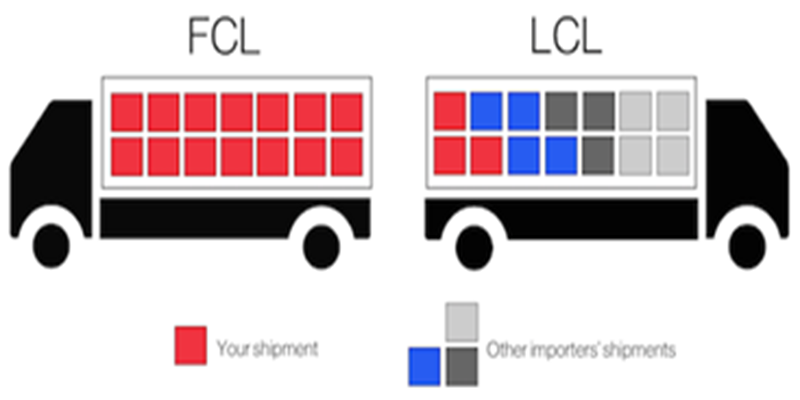
- LCL specifics: before CNY, warehouse closures can pull CFS cut-offs earlier; after CNY, blank sailings may cause OMITted LCL services.
How to Prepare: A Practical Checklist
- Book 3–4 weeks ahead — the earlier the better. Share a forecast with your vendors if possible.
- Track the Cargo Ready Date: factories run at full capacity before CNY and ready dates shift frequently — follow up closely.
- Shipping multiple containers? Split them across several bills of lading: if one is rolled, not all of your cargo is affected.
- Consider air or premium LCL for strict deadlines or low stock — but air capacity also tightens before CNY, so don't leave that decision to the last minute.
- Accept a longer transit time: the fastest services are overbooked first; a service a couple of days slower is less likely to roll your cargo.
- Be flexible on the port of discharge: a slightly longer transit can unlock more sailing options for inland destinations.
One-line takeaway: plan early, book early, and build buffer into your schedule — CNY disruption is predictable, so it is largely avoidable.
Further Reading
Back to Knowledge